
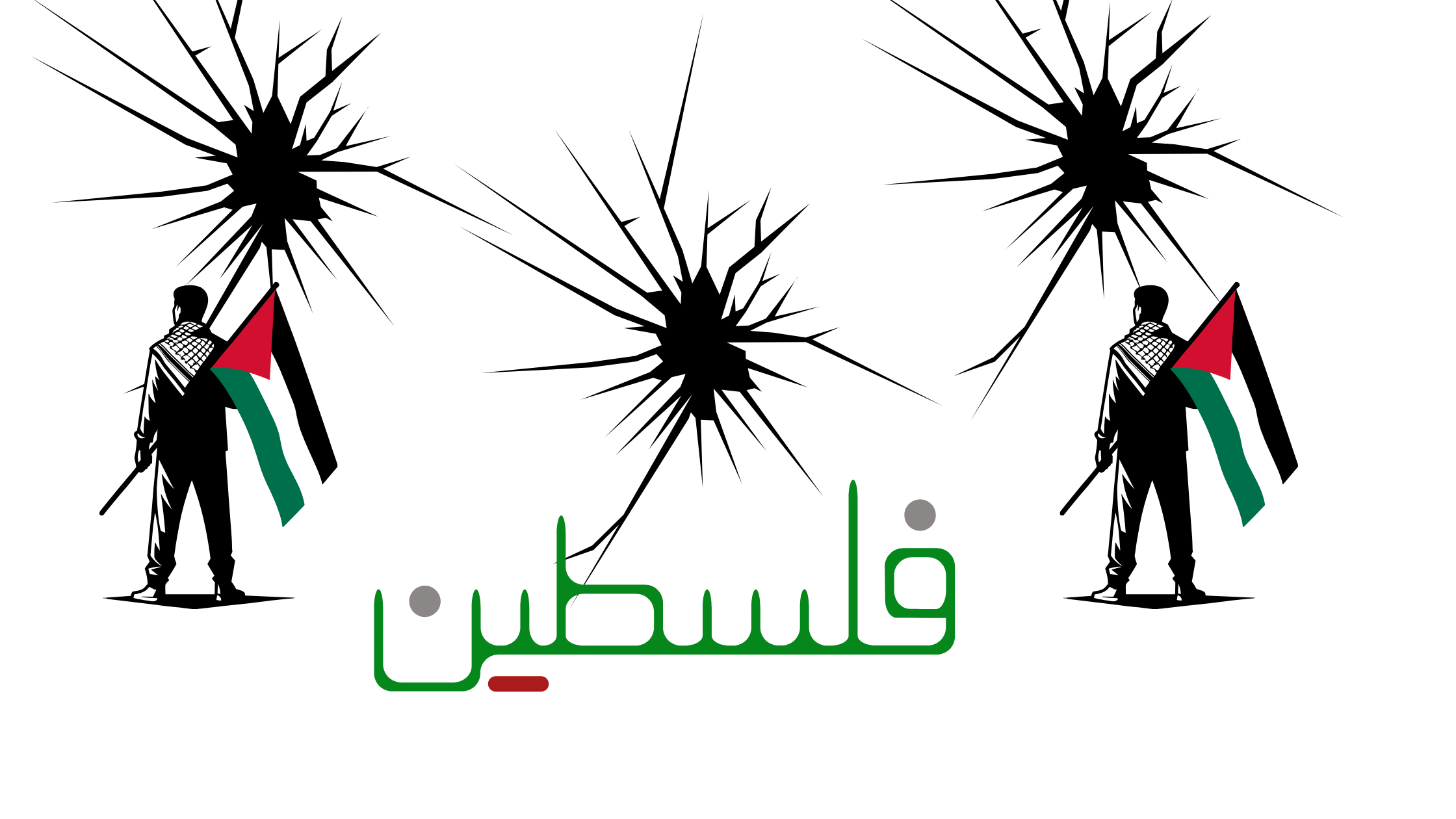
Indtroduction :
Studying this issue is crucial because it transforms what seems like a “humanitarian problem” into an understanding of systematic injustice, helping the global community move from sympathy to meaningful action.
Historical Context :
Modern History of Palestine:
Now we will look at the modern history of Palestine. In this period, the Palestinians suffered great oppression, and the international community committed severe injustices against them.The first injustice against Palestine occurred in 1947, when the United Nations decided to give 56% of the land to the Jews, even though legally the Jews owned only about 6 to 7% of the land.Background of the 1948 Arab–Israeli War:In 1947, when the United Nations attempted to unjustly divide Palestine—taking it away from its rightful heirs—it allotted more than half of Palestinian land to a small percentage of Jews living there. This decision was rejected by the Palestinians and the Arab countries, but despite their opposition, on May 14, 1948, the Jews announced the establishment of a state called Israel.Quaid-e-Azam Muhammad Ali Jinnah’s Statement on the Creation of Israel:Quaid-e-Azam Muhammad Ali Jinnah said regarding the establishment of Israel:
“The creation of Israel is like stabbing a dagger into the heart of the Muslims, and Pakistan will never accept it.”
After the Establishment of the Illegal and Occupying State of Israel
Immediately after the creation of the illegitimate Israeli state, on May 15, 1948, the Arab countries went to war with Israel in support of Palestine. As a result of that war, Israel occupied 78% of Palestinian land.After the establishment of Israel, the tragedy known as “Nakba” (Catastrophe) occurred, during which about 750,000 Palestinians were forcibly expelled from their homes. Hundreds of Palestinian towns and villages were destroyed, and even today, Palestinians continue to face the consequences of the Nakba.
Nakba :
Nakba literally means “The Catastrophe” or “The Disaster.”
It refers to the mass displacement and destruction that occurred in 1948, when the state of Israel was created and hundreds of thousands of Palestinians were forced to flee or were expelled from their homes.
The 1967 Arab–Israeli War:In 1967, another Arab–Israeli war took place, during which Israel captured the remaining parts of Palestine. As a result, Gaza, the West Bank, and East Jerusalem also came under Israeli occupation.
Pause here for a moment and answer a question:
Suppose a guest comes to your home and, out of necessity, you give them shelter and refuge. After some time they say, “I want this house” — a house every brick of which is very dear to you and which your parents built with great effort and beauty. How would you feel if that guest pushed you out of your own home and took possession of the whole house? Would you just stand by and watch? Wouldn’t it be your legitimate right to struggle against them and try to regain your land? Surely you would do exactly that, and under no circumstances would you allow an illegitimate seizure of your home.
Remember:
The Jews were being humiliated and disgraced all over the world, and no country was willing to give them refuge. It was only when they came to Palestine seeking shelter that they were given a place to stay.The Palestinians gave them shelter on their land like guests, but over time the Jews began to advance toward their sinful aims and occupied the sacred land of the prophets — the Muslim homeland. In response to this illegitimate occupation, Palestinian children, elders, and youth — all standing on the side of right — have been engaged in a continuous struggle for more than 76 years.But are the Palestinians enduring such cruelty, oppression, and genocide simply to regain their homeland? By no means. They are not sacrificing their lives and homes merely for that reason. Rather, they know that Palestine has long been the dwelling place of the prophets. Our beloved Prophet Muhammad (peace be upon him) stayed here during the Isra and Mi‘raj and led the prophets in prayer. The people are well acquainted with the Prophet’s teachings about Al-Aqsa Mosque, Bayt al-Maqdis (the Holy House), and the land of Palestine.
The Prophet said that
“ Travel may be undertaken for three mosques: Masjid al-Haram, the Prophet’s Mosque, and Masjid al-Aqsa.”Recognizing the importance of Masjid al-Aqsa and the sacred land, the Palestinian people and fighters continue their steadfast resistance and struggle for the freedom of Palestine.
Translation from the Qur’an (Surah An-Nisā, 4:75):
“And what is [the matter] with you that you do not fight in the cause of Allah
and for those oppressed men, women, and children who cry out,‘Our Lord, take us out of this city whose people are oppressors,
and appoint for us from Yourself a protector and appoint for us from Yourself a helper.’”— (Surah An-Nisā, 4:75)
Conclusion :
The history of the Israel–Palestine conflict is a painful story of injustice, occupation, and unwavering resistance. What began in 1947 with the unfair partition of Palestine and the forced establishment of Israel in 1948 became one of the longest-standing humanitarian and political crises in modern history. The Palestinian people, who once welcomed others as guests on their land, were themselves expelled, oppressed, and deprived of their homes, dignity, and rights.
Yet, despite decades of war, blockades, and immense suffering, the Palestinians have not surrendered. Their struggle is not only for land but for faith, honor, and the sacredness of Masjid al-Aqsa — the land blessed by the presence of prophets and honored by the journey of the Prophet Muhammad ﷺ during Isra and Mi’raj.
The Qur’an urges believers to stand with the oppressed and strive in the path of justice, reminding us that silence in the face of tyranny is itself an injustice. Therefore, the cause of Palestine is not just a political issue — it is a moral and spiritual responsibility for the entire Muslim Ummah and for all who believe in human rights and freedom.